
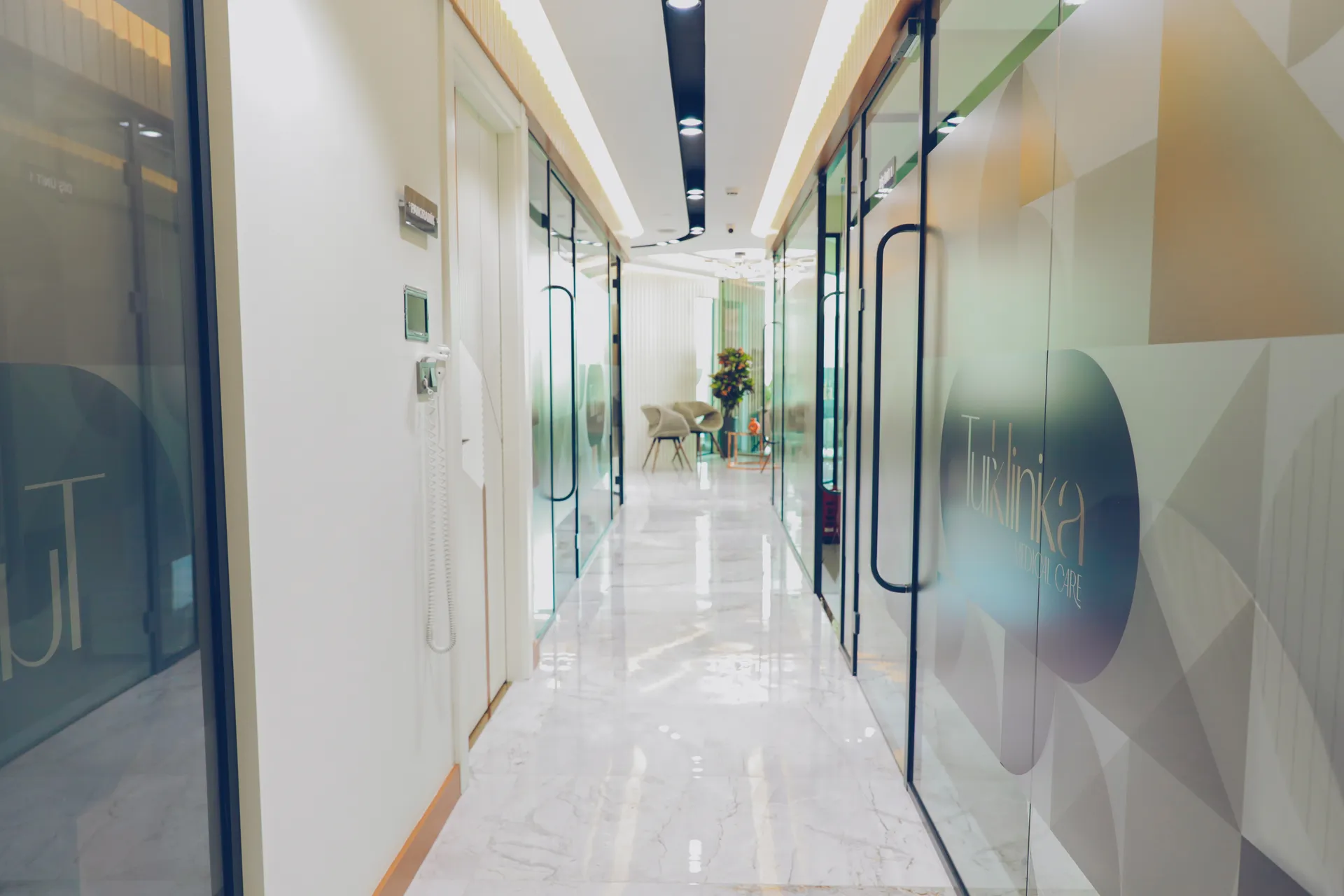
The honest answer is: it depends on the clinic, not the country. Turkey has excellent dental care and some clinics that cut corners — the same as anywhere. What keeps you safe is knowing what to check.
Here's the checklist, and exactly how we answer each point.
The checklist
- Is it a licensed facility?
- Are the doctors named, with real credentials?
- Are the implant brands ones your home dentist would recognise?
- Do they heal implants properly, or promise permanent teeth in a day?
- Is there a written warranty and a fixed quote before you commit?
- Is there genuine aftercare, and can you see real reviews?
How Turklinika answers each point
- Licensing: we're a specialised dental center certified by the Turkish Ministry of Health, and we hold a Health Tourism Certificate.
- Named doctors: our oral surgeon is Dr. Kamel Touma — DDS (Kocaeli University), MSc (Damascus University), Syrian Board Certified in Oral & Maxillofacial Surgery — working with a team of three specialists: an oral surgeon, an aesthetic doctor and a root canal specialist.
- Brands: we place Osstem, Notch, Hiossen and Straumann — mainstream systems a dentist in the US or Canada will recognise.
- Healing: we let implants integrate for 3 to 6 months before fitting permanent teeth. We don't do "teeth in 24 hours", because loading too early raises the risk of failure.
- Warranty and quote: a lifetime warranty on implants and 10 years on crowns, in writing — and with your medical history and X-rays we give a fixed price in advance.
- Reviews: you can read 250+ Google reviews on our Maps profile.
What happens if something goes wrong
Warranty work is carried out at our center in Istanbul, and we stay in touch after you fly home to follow up and help with any questions or concerns. If you have dissolvable stitches they disappear on their own; if any need removing — usually about five days later — a dentist at home can do it.
Aftercare once you're home
Before you leave we keep you a few extra days to check your bite and your new teeth. After that, we follow up remotely. Day to day, care is simple: brush and floss as normal, and we strongly recommend a water flosser around the gums.
Travel safety
For general travel safety — separate from dental care — check the official advisories from the US State Department and the Government of Canada, linked below, for the current guidance before you travel.
Related guides
Sources
Get your personalised quote
Send photos of your upper and lower teeth, or a panoramic X-ray, and we'll give you a treatment plan and a fixed price. The consultation is free.